
Getting stranded on the side of the road is stressful enough without having to worry about who to call for help. Whether your car breaks down during rush hour or you wake up to a flat tire before an important meeting, knowing what to expect from towing services can save you time, money, and a lot of unnecessary panic.
This guide walks you through everything you need to know about towing services, from the different types available to how you can choose a provider you can actually trust when it matters most.
What Are Towing Services and When Are They Needed?
Towing services involve transporting a vehicle from one location to another when it cannot be driven safely on its own. This could be due to a mechanical breakdown, an accident, a flat tire, an empty fuel tank, or simply because the vehicle needs to be moved for repair or storage.
Most drivers only think about towing services when they are already in a stressful situation. A car stalls on the highway, a battery dies in a parking lot, or a collision leaves a vehicle undriveable. In these moments, having a reliable towing company just a phone call away makes a real difference.
Towing is not just about hooking a car to a truck and pulling it away. It involves proper equipment, trained operators, and careful handling to avoid causing further damage to the vehicle. That is why understanding the different types of towing services available can help you know what to expect and what to ask for when you need help.
Common Types of Towing Services
Not every vehicle or situation calls for the same towing method. The right approach depends on the type of vehicle, the distance it needs to travel, and the reason it needs to be towed in the first place.
Flatbed Towing for Added Vehicle Protection
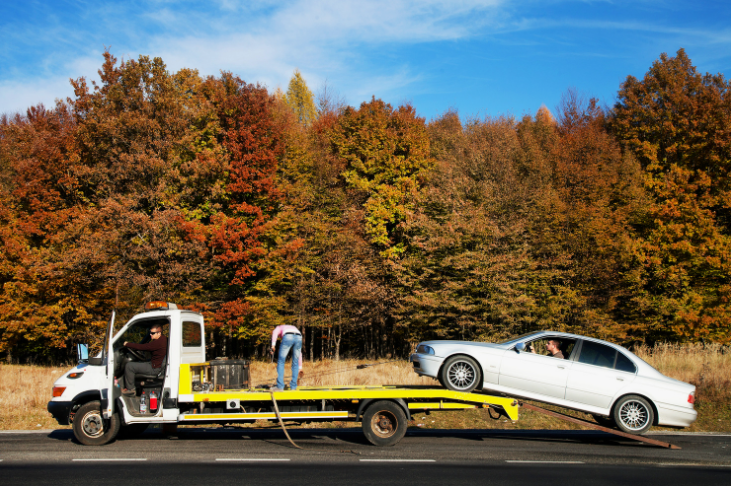
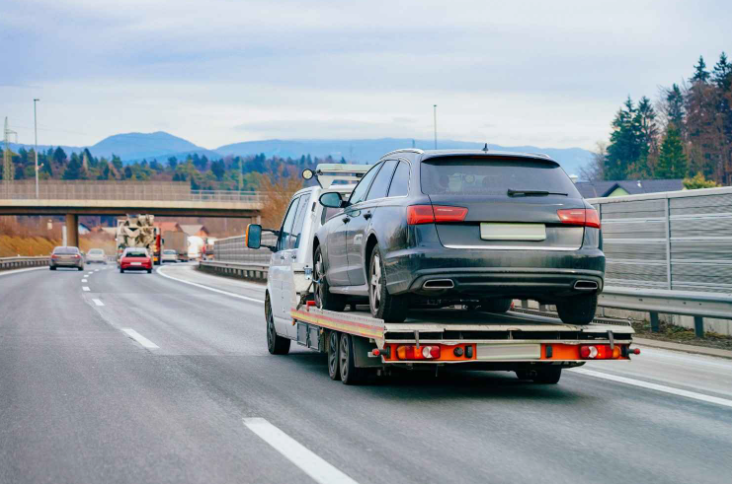
Flatbed towing is widely considered one of the safest ways to transport a vehicle. Instead of dragging the car on its wheels, the entire vehicle is loaded onto a flat trailer bed and secured in place. This method keeps all four wheels off the ground, which reduces wear on the tires, transmission, and drivetrain.
Flatbed towing is often recommended for luxury vehicles, all-wheel-drive cars, vehicles with transmission issues, or cars that have been in an accident. Since the vehicle does not touch the road during transport, there is less risk of scraping the undercarriage or damaging the exterior.
Motorcycle Towing for Two-Wheeled Vehicles
Motorcycles require a different kind of care compared to cars and trucks. Their two-wheel design makes them more vulnerable to tipping or shifting during transport, so motorcycle towing typically uses specialized equipment like wheel chocks and soft straps to hold the bike upright and steady.
A towing company experienced in motorcycle towing will know how to load and secure a bike without scratching the paint or putting pressure on sensitive parts like the fairings, mirrors, or exhaust system. If you ride, it is worth confirming ahead of time that your towing provider has the right equipment for motorcycles, since not every tow truck is set up for this.
Long Distance Towing for Extended Vehicle Transport
Sometimes a vehicle needs to travel much farther than a typical local tow, such as when relocating to a new city or transporting a car purchased from out of state. Long distance towing is designed for these situations and usually involves more planning than a standard roadside tow.
This type of service often includes route planning, secure loading, and regular check-ins to make sure the vehicle arrives safely. Because the vehicle is on the road for a longer stretch of time, choosing a provider with a strong track record for long distance towing matters even more.
Emergency Towing Services for Unexpected Roadside Problems
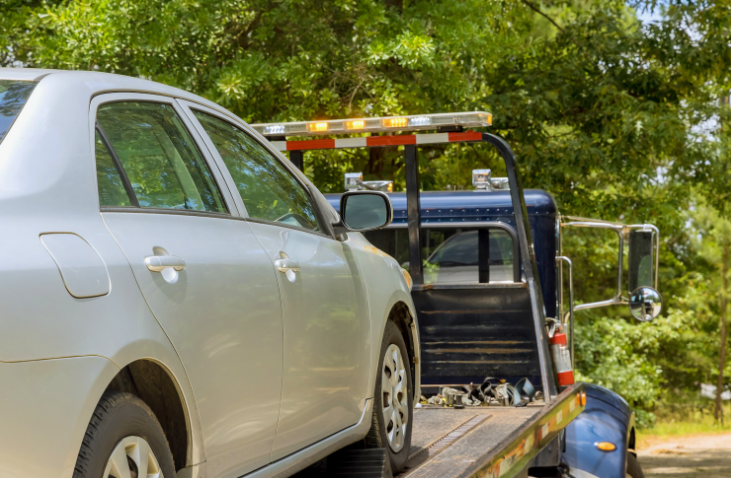
Breakdowns rarely happen at a convenient time. That is where emergency towing comes in, offering fast response when you are stuck on the road and need help right away.
When to Call for Emergency Towing
You should call for emergency towing anytime your vehicle becomes unsafe or impossible to drive. This includes situations like engine failure, a serious tire blowout, being involved in an accident, or a vehicle that will not start no matter what you try.
If you are stopped in a traffic lane, on a highway shoulder, or in an area that feels unsafe, emergency towing should be your first call rather than attempting to fix the issue yourself. Your safety always comes before the vehicle.
What to Expect During an Emergency Tow
When you call for emergency towing, a dispatcher will usually ask for your location, vehicle details, and a brief description of the problem. This helps them send the right type of truck and equipment.
Once the tow truck arrives, the operator will assess the situation, decide on the safest towing method, and secure your vehicle for transport. A professional operator will also walk you through where your car is being taken and give you a realistic time estimate, so you are not left guessing.
How Fast Towing Services Can Help in Urgent Situations
Speed matters during a roadside emergency, especially if you are stranded in an unsafe location or bad weather. Fast towing services focus on quick dispatch and shorter response times, which can make a stressful situation feel far more manageable.
A company that prioritizes fast towing services usually has a wider network of trucks and drivers positioned across different areas, allowing them to reach you sooner rather than later.
Roadside Services That Can Prevent a Tow
Not every roadside issue requires a full tow. Many towing companies also offer additional roadside services that can get you back on the road without needing your vehicle transported at all.
A jump start service can resolve a dead battery in just a few minutes, getting your car running again on the spot. Lockout and tire change assistance are also common requests, whether you have locked your keys inside the car or need a flat tire swapped out for a spare.
These services are often faster and less costly than a full tow, so it is worth asking your provider whether your issue can be resolved on-site before assuming a tow is necessary.
How to Choose Professional Towing Services
Choosing the right towing company is not something you want to figure out for the first time during an emergency. A little research ahead of time can save you stress later.
Look for professional towing services with proper licensing and insurance, since this protects both you and your vehicle if anything goes wrong during the tow. Checking online reviews can also give you a sense of how a company treats its customers and how reliable their response times actually are.
It also helps to ask friends, family, or your mechanic for recommendations. A company that consistently gets referred by word of mouth is usually doing something right. Finally, consider saving the contact information for a trusted towing provider in your phone, so you are not scrambling to search for one while stranded.
What Makes a Towing Service Safe and Reliable?
A safe and reliable towing service goes beyond just showing up. It involves trained operators who understand how to handle different vehicle types without causing damage, along with well-maintained equipment that meets safety standards.
Reliability also comes down to communication. A trustworthy provider gives you clear updates on arrival time, explains the towing process, and is upfront about pricing before any work begins. Hidden fees or vague answers are red flags worth paying attention to.
Availability matters as well. Breakdowns do not follow a schedule, so a dependable towing company should offer support around the clock, including nights, weekends, and holidays.
Questions to Ask Before Hiring a Towing Provider
Before you agree to any towing service, a few quick questions can help you avoid unpleasant surprises. Ask about their estimated arrival time, since this tells you how quickly they can realistically help.
It is also worth asking whether they are licensed and insured, what the total cost will be including any additional fees, and whether they have experience with your specific vehicle type. If you drive a motorcycle, an all-wheel-drive car, or a larger vehicle, confirming they have the right truck and equipment ahead of time can prevent delays.
Finally, ask where your vehicle will be taken and how you can track its status. A provider who answers these questions clearly and confidently is usually one you can trust.
How Towing Services Protect Your Vehicle During Transport
Protecting your vehicle during a tow involves more than just careful driving. Experienced operators use the right towing method for your specific vehicle, whether that means flatbed towing for a car with transmission issues or wheel-lift towing for a standard vehicle in good condition.
Proper strapping and securing techniques prevent shifting during transport, which helps avoid scratches, dents, or alignment issues. Operators also check for existing damage before loading the vehicle, so there is a clear record of the car’s condition before and after the tow.
Weather conditions can also affect how a vehicle is handled. A skilled operator will adjust their approach during rain, snow, or extreme heat to keep both the vehicle and themselves safe throughout the process.
What to Do Before and After Your Vehicle Is Towed
Before your vehicle is towed, it helps to remove any valuables or personal items from inside the car, since towing companies are not responsible for loose belongings. If possible, take a few photos of your vehicle’s condition beforehand, especially if there is any existing damage.
Make sure you have your ID, insurance information, and any relevant paperwork ready, particularly if the tow is related to an accident. It is also a good idea to confirm the drop-off location with the driver so you know exactly where your vehicle is headed.
After the tow, inspect your vehicle for any new damage and compare it to the photos you took earlier. If you notice anything unusual, report it to the towing company right away while the details are still fresh. Keeping your receipt and any paperwork from the tow can also be useful for insurance purposes or future reference.
FAQs
How much do towing services typically cost?
Towing costs vary depending on distance, vehicle type, and the towing method used. Local tows are generally more affordable, while long distance towing or specialized services like flatbed towing for larger vehicles can cost more.
How long does it take for a tow truck to arrive?
Response times depend on your location and current demand, but most professional towing services aim to arrive within 30 to 60 minutes for local calls, with faster response times often available for emergency situations.
Can I ride in the tow truck with my vehicle?
Many towing companies allow one passenger to ride along, though this can depend on local regulations and the specific provider. It is best to ask when you call.
What should I do if my car breaks down at night?
Move your vehicle to a safe location if possible, turn on your hazard lights, and call for emergency towing. Staying inside your vehicle with doors locked is generally safer than standing outside near traffic.
Do towing companies also offer roadside assistance?
Yes, many towing providers offer additional services like jump starts, lockout help, and tire changes, which can sometimes resolve the issue without needing a full tow.